
In an era where urbanization and higher education are on the rise, the demand for efficient and effective student housing solutions has never been more critical. As universities grapple with increasing enrollment numbers and limited resources, innovative approaches to dormitory design are essential. Lida Group‘s expandable container dormitories offer a compelling answer to these challenges, providing a flexible, sustainable, and cost-effective solution for modern student living. This article explores the numerous benefits of expandable container dormitories, the design considerations, and the potential impact on student life.
The Context of Student Housing Demand
Increasing Enrollment and Urbanization
As higher education becomes more accessible worldwide, many universities are experiencing record enrollment figures. This trend is accompanied by urbanization, with more students moving to cities for education, further straining housing resources. Traditional dormitories often fall short of accommodating the growing population, leading institutions to seek alternative housing solutions that can adapt to their evolving needs.
The Need for Flexible Solutions
The rise in student numbers requires dormitory solutions that can expand and contract based on demand. Fixed housing models, often designed for static populations, are ill-suited to this dynamic environment. Expandable container dormitories offer the flexibility to scale up or down as necessary, making them an ideal choice for institutions facing fluctuating enrollment figures.
Understanding Expandable Container Dormitories
What Are Expandable Container Dormitories?
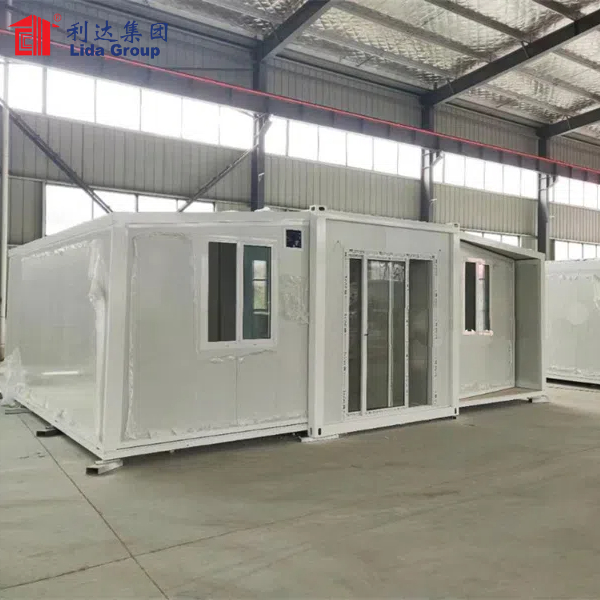
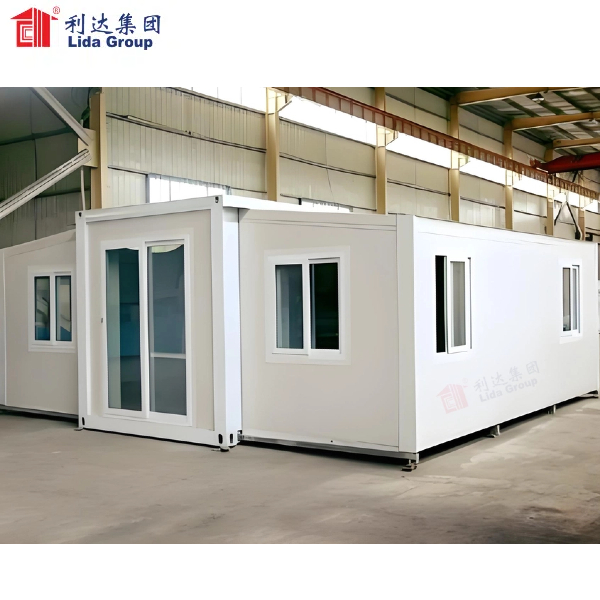
Lida Group’s expandable container dormitories are innovative structures made from repurposed shipping containers that can be modified and adapted for various uses. These dormitories can be expanded or contracted based on the number of students needing accommodation, providing a versatile and practical solution for universities.
Key Features
- Modular Design: Each container can function independently or be combined with others, allowing for a variety of configurations to suit different needs.
- Rapid Deployment: These dormitories can be quickly assembled and disassembled, making them ideal for temporary housing solutions.
- Sustainability: Utilizing shipping containers minimizes waste and promotes recycling, aligning with contemporary values of environmental responsibility.
Benefits of Lida Group Expandable Container Dormitories
1. Space Efficiency
Maximizing Usable Space
Expandable container dormitories are designed to make the most of limited urban spaces. Their modular nature allows for vertical stacking and efficient layouts, providing more living space within a smaller footprint. This is particularly advantageous in urban areas where land is scarce and expensive.
Flexible Configurations
The ability to expand or contract the dormitory as needed ensures that space is always utilized efficiently. During peak enrollment periods, additional containers can be added, while during quieter semesters, the structure can be downsized. This flexibility ensures that institutions only use what they need, minimizing waste and optimizing resources.
2. Cost-Effectiveness
Lower Construction Costs
Building with shipping containers is generally more cost-effective than traditional construction methods. Containers are often available at a lower cost, and the speed of assembly can lead to significant savings on labor and materials. This is especially beneficial for universities with tight budgets.
Long-Term Savings
The durability of shipping containers translates to reduced maintenance costs over time. Designed to withstand harsh conditions, these structures require less upkeep, allowing institutions to allocate their resources more efficiently.
3. Sustainability and Environmental Impact
Eco-Friendly Materials
Repurposing shipping containers is a sustainable choice that contributes to reducing environmental waste. Instead of contributing to landfill overflow, these containers are transformed into functional living spaces, promoting a circular economy.
Energy Efficiency
Lida Group’s expandable container dormitories can be designed with energy-efficient features, including proper insulation, solar panels, and rainwater harvesting systems. These elements reduce the overall environmental impact and operational costs associated with heating, cooling, and water usage.
4. Enhanced Student Experience
Modern Living Conditions
The interior design of expandable container dormitories can be tailored to create comfortable and aesthetically pleasing living environments. Modern furnishings, communal areas, and study spaces can enhance the overall student experience, fostering a sense of community and belonging.
Opportunities for Social Interaction
Designing communal spaces encourages social interaction among residents. Shared kitchens, lounges, and study rooms can serve as hubs for students to connect, collaborate, and engage in extracurricular activities, which are crucial for personal development and academic success.
5. Rapid Deployment and Scalability
Quick Setup
In situations where immediate housing solutions are required, expandable container dormitories can be deployed quickly. This is particularly beneficial in response to sudden increases in enrollment or during emergencies, such as natural disasters that displace students.
Scalability for Future Needs
As enrollment fluctuates, institutions can easily scale their housing solutions up or down. This adaptability allows universities to respond proactively to changing circumstances, ensuring that they can accommodate their students without unnecessary expenditure or resource allocation.
Design Considerations for Expandable Container Dormitories
While the benefits of expandable container dormitories are numerous, careful planning and design are essential to ensure that these structures meet the needs of students effectively.
1. Space Optimization
Innovative Layouts
Maximizing usable space requires thoughtful layouts. Multi-functional furniture, such as convertible beds and modular seating, can enhance the functionality of small living areas. Designers must prioritize both aesthetics and practicality to create inviting and efficient environments.
Communal Spaces
Incorporating communal areas is vital for fostering a sense of community among students. Well-designed lounges, kitchens, and study spaces encourage interaction and collaboration, enriching the overall student experience.
2. Comfort and Aesthetics
Interior Design
To attract students, container dormitories must offer comfortable and appealing interiors. This includes high-quality finishes, appropriate lighting, and modern design elements that create a welcoming atmosphere.
Climate Control
Proper insulation and ventilation systems are critical to maintaining comfortable living conditions. Addressing temperature regulation ensures that students can thrive in their living environments, regardless of external weather conditions.
3. Safety and Compliance
Building Codes
Compliance with local building codes and regulations is paramount. This includes ensuring structural integrity, fire safety measures, and accessibility for all students.
Security Features
Integrating security features, such as access control systems and surveillance cameras, enhances the safety of students living in container dormitories. Ensuring that residents feel secure in their living spaces is essential for their overall well-being.
Challenges and Solutions
Despite the many benefits, expandable container dormitories also face challenges that must be addressed for successful implementation.
1. Public Perception
Overcoming Stigmas
Some individuals may perceive container dormitories as subpar or temporary housing. Universities must invest in marketing efforts that highlight the quality, safety, and unique living experiences offered by these structures.
2. Zoning and Regulatory Issues
Navigating Regulations
Local zoning laws may present obstacles to the implementation of container dormitories. Universities must engage with local authorities early in the planning process to advocate for flexible regulations that accommodate innovative housing solutions.
3. Initial Investment
Balancing Upfront Costs
While expandable container dormitories offer long-term savings, the initial investment can be significant. Institutions must carefully assess their budgets and explore funding options, such as grants or partnerships, to offset these costs.
Conclusion
Lida Group’s expandable container dormitories offer a revolutionary approach to student housing that maximizes space, promotes sustainability, and enhances the overall living experience. As universities continue to face challenges related to increasing enrollment and limited resources, these innovative solutions provide the flexibility and efficiency needed to meet modern demands. By investing in expandable container dormitories, educational institutions can create welcoming, functional, and environmentally responsible living spaces that cater to the needs of their students, ultimately fostering a thriving academic community. As higher education evolves, embracing such innovative solutions will be crucial in shaping the future of student housing.
Contact Us
Post time: Sep-23-2024