
In the realm of agriculture, poultry farming stands as a vital component of food production, providing a significant source of protein for millions worldwide. As the demand for poultry products continues to soar, the need for efficient, durable, and adaptable farming infrastructure has never been more critical. Lida Group, a leader in the design and construction of steel structures, offers innovative and customized solutions for poultry farming buildings. This article delves into the advantages of steel structure poultry buildings, the customization options available from Lida Group, and how these buildings can enhance productivity and sustainability in the poultry industry.
The Importance of Poultry Farming Infrastructure
Understanding Poultry Farming Needs
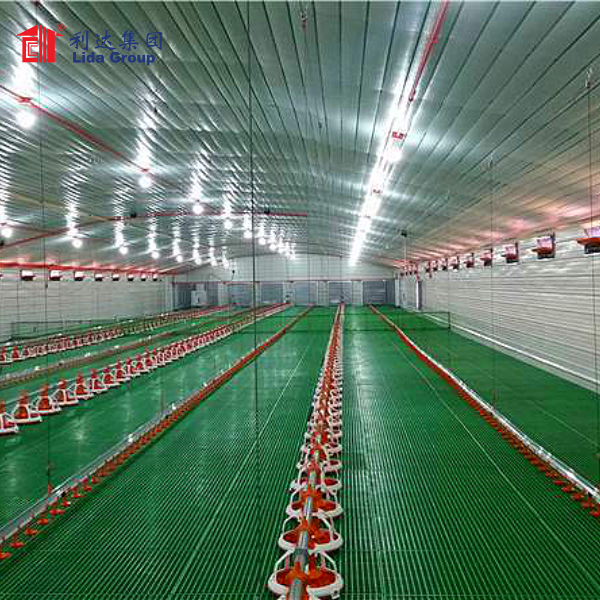
Poultry farming involves the breeding and raising of birds, primarily chickens, for meat and eggs. The infrastructure supporting these operations is crucial for ensuring the health, productivity, and welfare of the flock. Several key factors influence the success of poultry farms, including:
- Animal Welfare: Proper housing is essential to protect birds from adverse weather, predators, and diseases while providing suitable space for movement and interaction.
- Operational Efficiency: The design and layout of poultry buildings directly impact workflow, feeding practices, and maintenance routines, influencing overall farm productivity.
- Biosecurity: Protecting poultry farms from diseases is paramount. Housing designs must incorporate features that limit disease transmission and allow for effective sanitation.
- Sustainability: As consumers increasingly demand sustainable products, poultry farms must adopt practices that minimize environmental impact.
Challenges of Traditional Poultry Housing
Traditional poultry housing often comes with several challenges:
- High Maintenance Costs: Structures made from wood and other organic materials can suffer from rot and pest infestations, leading to increased maintenance expenses.
- Limited Lifespan: Conventional materials typically have a shorter lifespan than steel, necessitating more frequent replacements.
- Inefficient Ventilation: Poor ventilation can lead to heat stress, respiratory issues, and decreased productivity among birds.
- Space Constraints: Traditional designs may not maximize available space, limiting the number of birds that can be housed and affecting overall production.
Advantages of Customized Steel Structure Poultry Buildings
Lida Group specializes in providing customized steel structure buildings that effectively meet the unique needs of poultry farmers. Here are some compelling advantages of using steel for poultry housing:
1. Durability and Longevity
Steel structures are renowned for their strength and durability. Unlike traditional materials, steel is resistant to pests, rot, and extreme weather conditions, ensuring a long lifespan. Lida Group’s buildings are designed to withstand the rigors of poultry farming, providing reliable shelter for birds and reducing the need for frequent repairs or replacements.
2. Cost-Effectiveness
While the initial investment in steel structures may be higher than traditional materials, the long-term savings are significant. Reduced maintenance costs, energy efficiency, and increased productivity lead to a favorable return on investment. Lida Group’s efficient construction methods help minimize labor costs and overall project expenses, making steel structures a cost-effective solution for poultry farmers.
3. Customization Options
One of the standout features of Lida Group’s poultry buildings is their customization capabilities. Every poultry farm has unique requirements, and Lida Group’s design team collaborates with farmers to create tailored solutions that optimize space and functionality. Whether it’s adjusting the size, layout, or features of the building, customization allows farmers to create environments that best support their poultry operations.
4. Enhanced Biosecurity Measures
Lida Group’s steel structures can be designed with biosecurity in mind. Features such as controlled entry points, easy-to-clean surfaces, and integrated sanitation stations help prevent the introduction and spread of diseases. This is particularly important in maintaining the health of the flock and ensuring high-quality production.
5. Improved Ventilation and Climate Control
Effective ventilation is essential for maintaining a healthy environment for poultry. Lida Group’s designs incorporate advanced ventilation systems that promote airflow and regulate temperature. This leads to improved bird health, enhanced growth rates, and better production outcomes.
6. Quick Construction Time
Time is critical in poultry farming. Steel structures can be erected much faster than traditional buildings. Lida Group’s streamlined processes allow for rapid construction, enabling farmers to start operations sooner and reduce downtime.
7. Eco-Friendly Options
Steel is a recyclable material, making it an environmentally friendly choice for construction. Lida Group emphasizes sustainable practices in its projects, allowing poultry farmers to minimize their environmental impact while benefiting from robust and efficient structures.
Customization Options from Lida Group
1. Flexible Layouts
Lida Group offers a variety of design options that can be adapted to the specific needs of poultry farmers. Whether it’s a free-range system, cage-free environment, or a more conventional layout, the flexibility in design allows farmers to optimize their operations. This adaptability is crucial in accommodating different farming practices and future growth.
2. Multi-Functional Spaces
Modern poultry farms often require flexibility to accommodate various functions. Lida Group can design multi-functional buildings that serve as production areas, storage facilities, and offices within the same structure. This versatility maximizes the use of available space and enhances operational efficiency.
3. Insulation and Climate Control
For poultry farms operating in extreme climates, insulation is critical for maintaining a comfortable environment. Lida Group’s steel structures can be designed with thermal insulation to regulate temperature, reduce energy costs, and improve overall bird welfare.
4. Integrated Technology
Lida Group’s steel buildings can be equipped with advanced technology to enhance farm management. This includes automated feeding systems, environmental monitoring sensors, and smart lighting solutions that allow farmers to optimize operations and improve animal welfare.
5. Expansion Capabilities
As poultry farms grow, the need for expansion arises. Lida Group designs steel structures with future growth in mind, allowing businesses to easily add new sections or modify existing layouts without extensive reconstruction. This flexibility helps poultry farmers adapt to changing demands and maintain productivity.
Implementation Process
1. Initial Consultation
The process begins with an initial consultation where Lida Group’s experts assess the specific needs and goals of the poultry farm. This step involves understanding the type of poultry being raised, production goals, and any unique challenges the farmer may face.
2. Design Development
After gathering all necessary information, Lida Group’s design team creates detailed blueprints for the poultry building. This phase includes selecting materials, layout options, and additional features, ensuring that the final design aligns with the farmer’s vision.
3. Manufacturing
Once the design is finalized, the steel components of the structure are manufactured in Lida Group’s state-of-the-art facilities. Utilizing advanced technology and high-quality materials, each component is produced to meet stringent quality standards.
4. Assembly
After manufacturing, the components are transported to the farm site for assembly. Lida Group’s experienced construction team ensures that the structure is erected efficiently and safely, minimizing disruptions to the farm’s operations.
5. Final Inspection and Handover
Upon completion, a thorough inspection is conducted to ensure that the building meets all specifications and quality standards. After passing inspection, the new poultry building is handed over to the farmer, ready for immediate use.
Case Studies: Successful Transformations
Case Study 1: A Large-Scale Poultry Farm
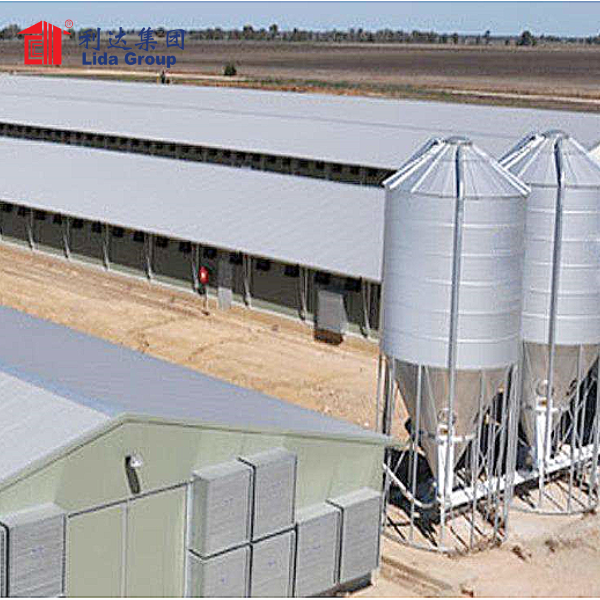
A large-scale poultry operation faced challenges with its outdated wooden structures, which were prone to maintenance issues and limited in space. Lida Group designed and constructed a new steel structure building that provided a flexible layout, allowing for increased production capacity and better workflow. The new facility incorporated advanced ventilation systems and enhanced biosecurity measures, resulting in healthier birds and improved production rates.
Case Study 2: An Organic Poultry Farm
An organic poultry farm sought to modernize its facilities to meet the growing demand for organic eggs. Lida Group collaborated with the farm owner to create a customized steel structure that provided a free-range environment while maximizing space. The incorporation of insulated walls and eco-friendly features significantly reduced the farm’s energy consumption and environmental impact, aligning with the farm’s sustainability goals.
The Future of Poultry Farming with Steel Structures
1. Innovations in Design and Technology
As technology continues to advance, the design and functionality of poultry housing are set to evolve. Lida Group is committed to integrating the latest innovations in construction and agricultural technology, ensuring that poultry farms have access to the best solutions available.
2. Sustainability and Eco-Friendly Practices
The push for sustainable agricultural practices will continue to grow, and steel structures offer an excellent opportunity for eco-friendly construction. Lida Group emphasizes the use of recyclable materials and energy-efficient designs, allowing poultry farmers to minimize their environmental impact.
3. Adaptability to Industry Changes
The poultry industry is constantly evolving, and so must its infrastructure. Lida Group’s flexible steel structure designs will continue to accommodate changing business needs, ensuring that poultry farms remain relevant and functional in an ever-changing market.
4. Integration of Smart Technologies
The future of poultry farming will increasingly involve the integration of smart technologies. Lida Group aims to incorporate automation and IoT (Internet of Things) capabilities into their designs, allowing farmers to optimize operations, enhance safety, and improve productivity through real-time data analysis.
Conclusion
Lida Group’s customized steel structure poultry farming buildings offer a transformative solution for poultry farmers seeking to enhance their operations. With numerous advantages, including durability, cost-effectiveness, and design flexibility, steel structures provide a robust foundation for modern poultry farming.
By partnering with Lida Group, poultry farmers can create efficient, sustainable, and productive environments that support the health and growth of their flocks. As the demand for poultry products continues to rise, the adoption of innovative solutions like Lida Group’s steel structures will be crucial in meeting the needs of a changing market.
Investing in a customized steel structure is not merely a practical decision; it is a strategic move toward a sustainable and successful future in poultry farming. With Lida Group’s expertise, farmers can build the foundation for a thriving poultry business that prioritizes efficiency, quality, and animal welfare. The future of poultry farming is here, and it is built on steel.
Contact Us
Post time: Jan-27-2025