
Introduction
In an era marked by rapid industrialization and an ever-increasing demand for efficient storage solutions, modular steel structure warehouses have emerged as a transformative force in the construction industry. Lida Group, a leader in steel structure manufacturing, has pioneered innovative approaches to modular designs that meet the diverse needs of businesses across various sectors. This article explores Lida Group’s approach to modular steel structure warehouses, highlighting their benefits, design principles, construction processes, and real-world applications.
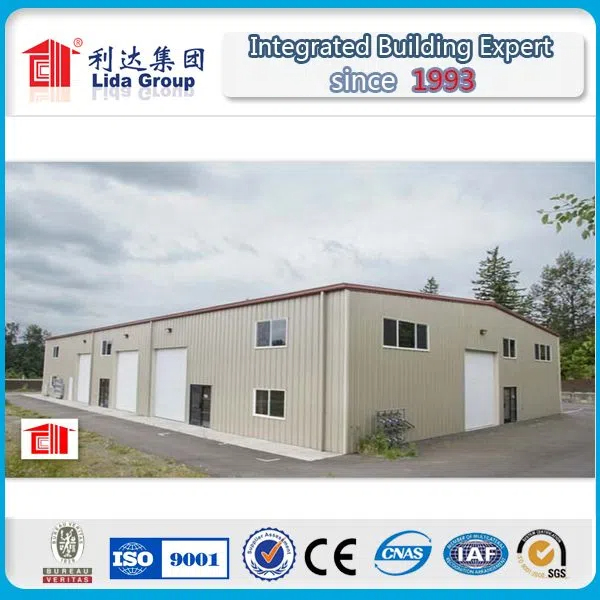
Understanding Modular Steel Structure Warehouses
What Are Modular Steel Structure Warehouses?
Modular steel structure warehouses are prefabricated buildings constructed from steel components that are manufactured off-site and assembled on-site. This modular approach allows for flexibility in design, quick construction, and efficient use of materials. These warehouses are particularly suited for industries that require scalable storage solutions, such as logistics, manufacturing, and retail.
The Rise of Modular Construction
The trend toward modular construction has gained momentum due to several factors:
- Increased Demand for Flexibility: As businesses grow and evolve, the need for adaptable spaces has become paramount. Modular warehouses can easily be expanded or reconfigured to meet changing operational needs.
- Cost Efficiency: Modular construction often results in lower costs due to reduced labor and material wastage.
- Faster Project Completion: Prefabrication allows for simultaneous site preparation and construction, significantly shortening project timelines.
Benefits of Modular Steel Structure Warehouses
1. Design Flexibility
One of the standout features of modular steel structure warehouses is their design flexibility:
- Customizable Layouts: Lida Group offers a variety of design options, allowing clients to tailor the layout to their specific storage requirements.
- Expandable Designs: As businesses grow, modular warehouses can be easily expanded by adding new modules without major disruptions.
2. Rapid Construction
The efficiency of modular construction leads to faster project completion:
- Off-Site Fabrication: Components are manufactured off-site in a controlled environment, minimizing delays caused by weather or site conditions.
- Quick Assembly: On-site assembly is streamlined, allowing businesses to start operations sooner.
3. Cost-Effectiveness
Modular steel warehouses provide a cost-effective solution for businesses:
- Reduced Labor Costs: The efficiency of off-site fabrication and simplified assembly processes leads to lower labor costs.
- Minimized Material Waste: Modular construction techniques reduce material waste, contributing to overall cost savings.
4. Durability and Strength
Steel is renowned for its durability, making it an ideal material for warehouses:
- Long Lifespan: Steel structures can withstand harsh weather conditions and heavy loads, ensuring a long operational life.
- Low Maintenance: Steel requires less maintenance compared to traditional materials, further reducing costs over time.
5. Sustainability
Lida Group emphasizes sustainable practices in its modular steel structure warehouses:
- Recyclable Materials: Steel is 100% recyclable, and using recycled steel reduces the environmental impact of construction.
- Energy Efficiency: Modular designs can incorporate energy-efficient features, such as insulation and renewable energy systems, to minimize operational costs.
Lida Group’s Design Principles
1. Client-Centric Approach
Lida Group adopts a client-centric approach in the design of modular steel warehouses:
- Needs Assessment: Understanding the specific needs of clients is crucial. Lida Group collaborates with clients to identify storage requirements and operational workflows.
- Tailored Solutions: Based on the assessment, Lida Group provides customized designs that maximize functionality and efficiency.
2. Modular Design Philosophy
The modular design philosophy is central to Lida Group’s approach:
- Standardized Components: Utilizing standardized components streamlines the design and fabrication processes, leading to increased efficiency.
- Interchangeability: Modular components can be easily interchanged or replaced, enhancing the adaptability of the warehouse.
3. Advanced Technology Integration
Lida Group leverages advanced technologies in the design process:
- Building Information Modeling (BIM): BIM technology allows for detailed 3D modeling of the warehouse, facilitating better visualization and coordination among stakeholders.
- Sustainable Design Tools: Lida Group uses tools to assess the environmental impact of designs, ensuring that sustainability goals are met.
The Construction Process
1. Planning and Design
The construction of modular steel structure warehouses begins with careful planning:
- Site Evaluation: A thorough evaluation of the construction site helps identify logistical challenges and opportunities for optimization.
- Design Approval: Once the design is finalized, it is presented to the client for approval, ensuring alignment with their vision and requirements.
2. Fabrication
Fabrication is a critical phase in the construction of modular warehouses:
- Controlled Environment: Components are fabricated in a controlled environment to ensure precision and quality.
- Quality Assurance: Rigorous quality checks are conducted to ensure that all components meet Lida Group’s high standards.
3. Transportation and Logistics
Transporting modular components to the construction site requires careful planning:
- Efficient Logistics: Lida Group coordinates transportation to ensure that components arrive on-site in a timely manner.
- Site Preparation: While components are being fabricated, site preparation is conducted to facilitate smooth assembly.
4. On-Site Assembly
The assembly process is streamlined to maximize efficiency:
- Rapid Construction: Skilled teams assemble the warehouse quickly, utilizing cranes and other equipment to position components accurately.
- Final Inspections: After assembly, final inspections are conducted to ensure that the building meets all safety and quality standards.
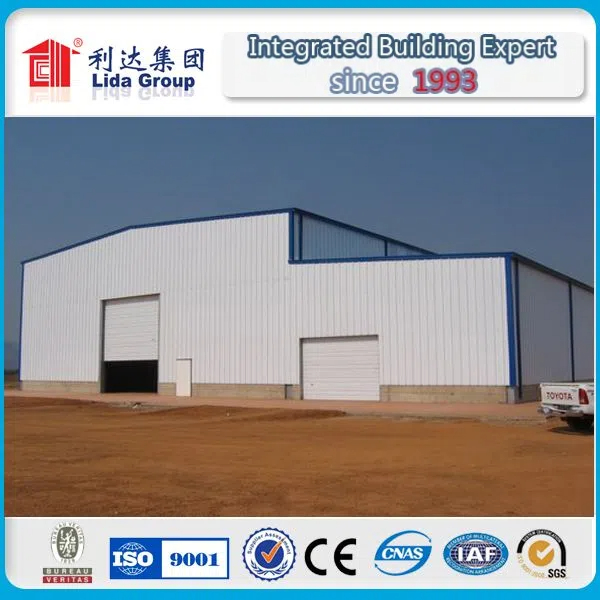
Applications of Modular Steel Structure Warehouses
1. Logistics and Distribution Centers
Modular steel structure warehouses are ideal for logistics and distribution centers:
- Scalable Storage Solutions: As e-commerce continues to grow, businesses require scalable storage solutions to keep up with demand.
- Efficient Operations: The flexibility of modular designs allows for optimized workflows, enhancing overall operational efficiency.
2. Manufacturing Facilities
In manufacturing, modular warehouses serve multiple functions:
- Raw Material Storage: Additional storage space for raw materials can be easily added as production needs increase.
- Assembly Areas: Modular warehouses can include dedicated assembly areas to streamline production processes.
3. Retail and E-Commerce
The retail sector benefits from modular warehouses through:
- Seasonal Storage: Retailers can quickly expand storage capacities during peak seasons, such as holidays.
- Distribution Efficiency: Modular designs allow for efficient organization of inventory, improving order fulfillment speed.
4. Agricultural Storage
Agriculture relies on modular steel warehouses for various purposes:
- Equipment Storage: Farmers can store equipment and machinery in secure, weather-resistant structures.
- Crop Storage: Modular warehouses provide a controlled environment for storing crops, protecting them from the elements.
Future Trends in Modular Steel Structure Warehouses
1. Increased Automation
The future of modular warehouses will see increased automation:
- Automated Inventory Systems: Integrating automated inventory management systems will enhance efficiency and accuracy in storage and retrieval processes.
- Robotic Assistance: Utilizing robotics for tasks such as picking and sorting will further streamline operations.
2. Smart Technologies
The integration of smart technologies will shape the evolution of modular steel structure warehouses:
- IoT Integration: Internet of Things (IoT) devices can monitor temperature, humidity, and inventory levels in real-time, enhancing operational efficiency.
- Data Analytics: Advanced analytics will provide insights into warehouse performance, enabling data-driven decision-making.
3. Enhanced Customization
As businesses continue to seek tailored solutions, the demand for enhanced customization will grow:
- Client-Driven Designs: Lida Group will focus on client-driven designs that cater to specific operational needs and preferences.
- Modular Add-Ons: The ability to add features and functionalities over time will become increasingly important for businesses looking to future-proof their investments.
Conclusion
Lida Group’s approach to modular steel structure warehouses offers numerous benefits that cater to the evolving needs of various industries. With a focus on design flexibility, rapid construction, cost-effectiveness, and sustainability, Lida Group is well-positioned to meet the demands of modern businesses. As the trend towards modular construction continues to grow, Lida Group remains committed to innovation, leveraging advanced technologies and eco-friendly practices to deliver high-quality, resilient warehouses.
Through successful case studies and a dedication to client satisfaction, Lida Group exemplifies the potential of modular steel structures in transforming the way companies approach their storage and operational needs. As industries evolve and new challenges arise, Lida Group’s commitment to excellence in modular construction ensures that it will remain a leader in the field, providing businesses with the solutions they need to thrive in a competitive landscape.
Contact Us
Post time: Dec-06-2024